Wildfire smoke in a home that didn't burn
A family returns after an evacuation to find no flame damage, but ash in the attic, soot on window tracks, and a strong smoke smell throughout.
A Colorado Springs guide to fire and smoke damage
Cleanup and rebuilding after house fires, plus smoke residue and odor from nearby wildfires, explained for El Paso County homeowners.
Illustrative photo · see photo credits
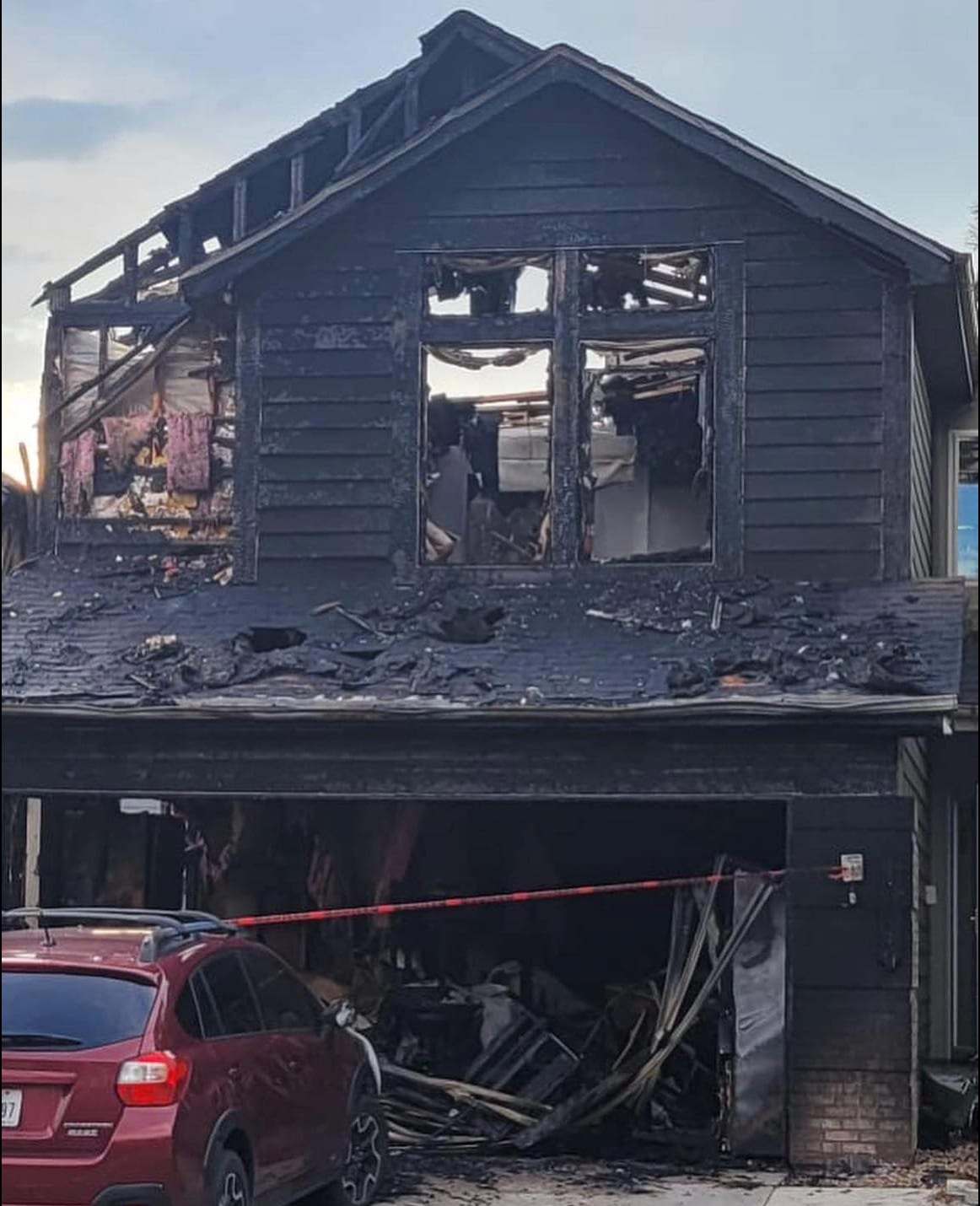
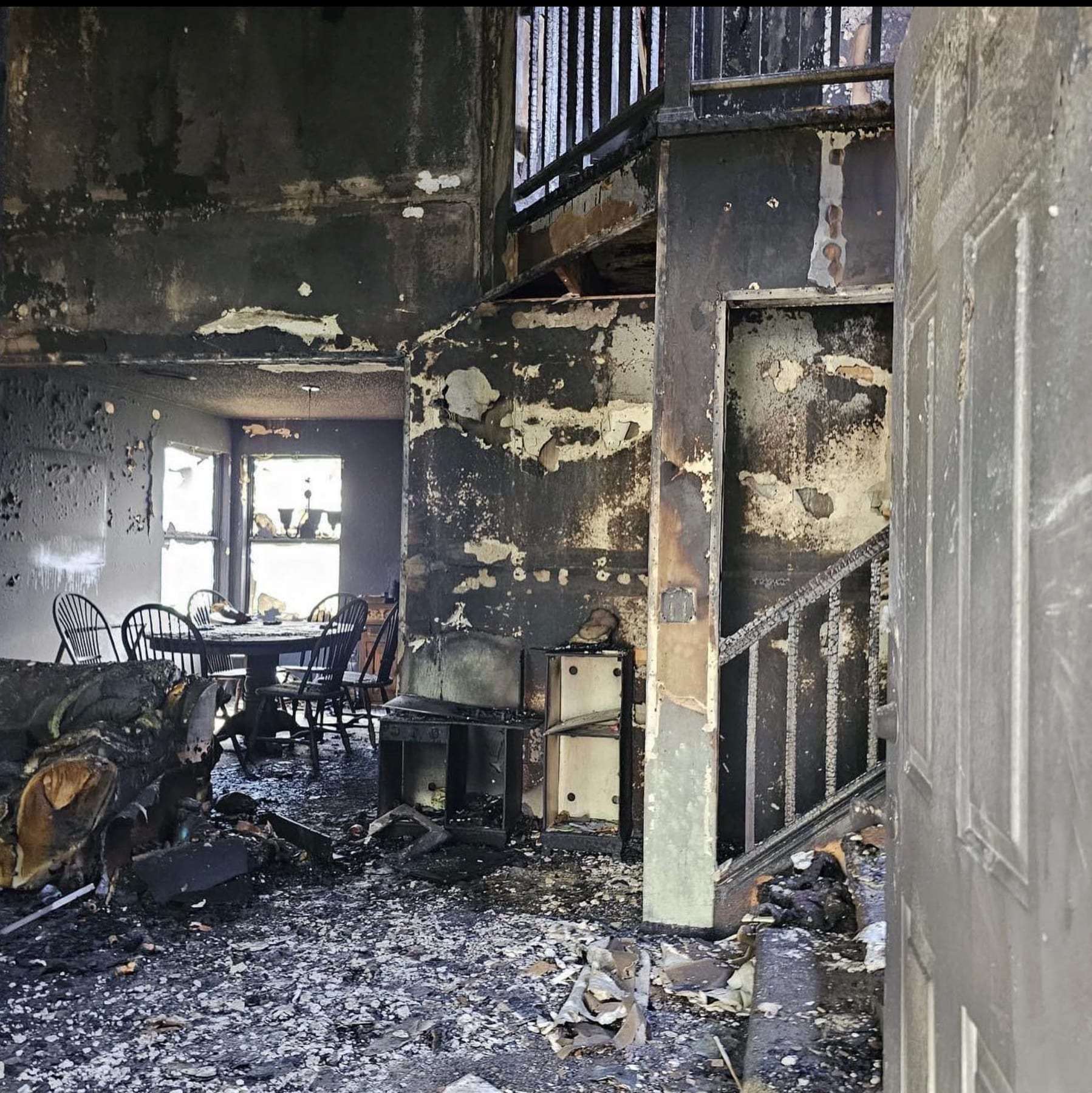
Most fire restoration starts with a structure fire, such as a kitchen fire, an electrical fault, or a fire that spreads from a garage or deck. These jobs involve securing the building, removing charred materials and debris, cleaning soot, drying water used in firefighting, and rebuilding.
Colorado Springs homeowners also deal with something residents in many places never see: smoke and ash from wildfires in the surrounding foothills and forests. A house that didn't burn can still have fine soot in its attic, ductwork, and soft furnishings. Fire restoration here often means both: full fire restoration and the cleanup of smoke residue that drifted in.
Longer guides and planning tools for structure fires, drifting smoke and the scope that follows.
A family returns after an evacuation to find no flame damage, but ash in the attic, soot on window tracks, and a strong smoke smell throughout.
A fire that starts on a deck damages exterior siding and windows and pushes smoke into the main living area.
A restaurant kitchen fire is contained, but grease-laden smoke coats the dining room and the hood system needs attention before reopening.
A good plan is built around the type of fire, the residue left behind, and how far smoke traveled.
| Step | Stage | What happens |
|---|---|---|
| 1 | Stabilize and secure | Board up openings, tarp roofs, and protect the property from further damage. |
| 2 | Inspect and document | Identify soot types and smoke paths, check the HVAC system and attic, and document everything for the claim. |
| 3 | Remove and clean | Remove debris and unsalvageable materials, and clean soot from structure and contents with appropriate methods. |
| 4 | Control odor | Address odor sources in cavities, insulation, and ductwork, and seal surfaces where appropriate. |
| 5 | Rebuild | Complete reconstruction, from framing and roofing to drywall and paint. |
The written scope of work decides what gets cleaned, what gets replaced and what your insurer sees. Before work starts, make sure yours covers each of these. Ask about anything that's missing.
Many insurers use Xactimate. Ask for the scope and estimate in a format your adjuster can read, and for someone to walk you through each line.
Cause and origin noted. Where the fire started and what burned, as recorded by the fire department or investigator.
Room-by-room soot mapping. Which rooms have heavy, light or no residue, and the soot type (dry, wet/oily, protein) because each needs a different cleaning method.
Remove vs. clean, item by item. Which materials will be cleaned and sealed and which must be removed, with the reason for each.
HVAC and hidden spaces. Whether ductwork, the furnace, the attic and wall cavities were inspected for smoke and soot.
Contents plan. What is packed out for cleaning, what is stored, what is listed as non-salvageable, and how it is inventoried.
Odor treatment and verification. How odor will be treated and how the result will be checked before walls are closed or painted.
Rebuild sequence. What the reconstruction covers after cleaning, in what order, and which permits apply.
Colorado Springs sits at the base of Pikes Peak, and many of its neighborhoods border the foothills and forest along the city's western and northern edges. The community has direct experience with wildfire: the 2012 Waldo Canyon Fire destroyed hundreds of homes in the Mountain Shadows area, and the 2013 Black Forest Fire northeast of the city destroyed hundreds more.
That history means fire restoration here often includes smoke and ash cleanup in homes that weren't burned, along with full rebuilding for those that were. Some restoration companies serving El Paso County are based in Colorado Springs and others travel from the Denver area, so ask where the work will be staffed from.
ZIP codes served: 80903 (Colorado Springs), 80905 (Colorado Springs), 80909 (Colorado Springs), 80907 (Colorado Springs), 80910 (Colorado Springs), 80904 (Colorado Springs), 80918 (Colorado Springs), 80917 (Colorado Springs), 80915 (Colorado Springs), 80906 (Colorado Springs), 80914 (Colorado Springs), 80916 (Colorado Springs), 80919 (Colorado Springs), 80922 (Colorado Springs), 80923 (Colorado Springs), 80920 (Colorado Springs), 80951 (Colorado Springs), 80938 (Colorado Springs), 80924 (Colorado Springs), 80925 (Colorado Springs), 80927 (Colorado Springs), 80929 (Colorado Springs).
Also nearby: 80829, 80911, 80939, 80809, 80902, 80913, 80840, 80819, 80926, 80921, 80908, 80831.
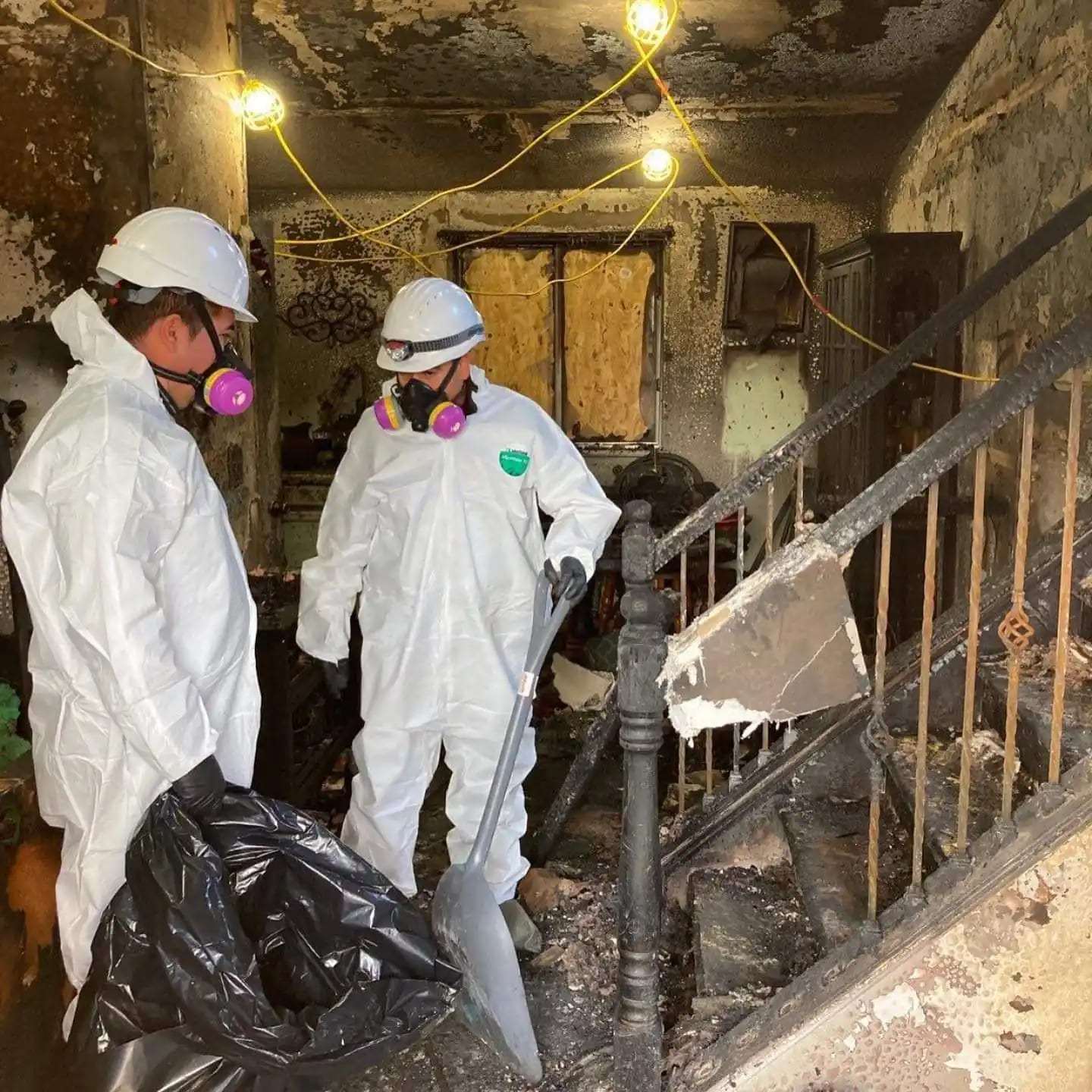
Once the fire department releases the property, the priority is keeping weather and people out. Broken windows and doors are boarded, and a damaged roof is tarped. Wet debris, ash and fallen material are removed so the structure can start drying and soot doesn't keep spreading on foot traffic.
Follow the fire department's and county's guidance on re-entry; never enter a structure they haven't cleared.
Change or remove HVAC filters before running the system after heavy smoke exposure.
Notify your insurer, and ask what your policy covers for smoke damage and temporary housing.
Avoid running the HVAC with heavy soot present; it can spread residue through the house.
Smoke and ash residue are a recognized form of damage, and many homeowners policies include smoke damage, though coverage varies. Document what you see and smell, and contact your insurer. Cleaning typically includes HVAC, attic, and soft-goods attention.
Ash and soot in an attic can continue to produce odor and can be drawn into living spaces. It's worth having it inspected; heavily contaminated insulation is often removed and replaced.
Minor smoke cleanup may take days. Structure fires that require reconstruction can take weeks to months depending on the extent of damage, permitting, and material availability.
Soot contains fine particles and can contain chemical residues from burned materials, which can irritate the lungs and skin. Avoid stirring it up, wear protective equipment if you must handle it, and keep sensitive individuals away.
Often. Contents can be cleaned on site or packed out for cleaning and storage while the structure is restored. Ask for a written inventory for your insurance claim.
Some fire restoration companies provide reconstruction and general contracting in addition to cleanup and mitigation; others refer the rebuild to a separate contractor. Ask which applies before you sign.
If windows, doors or the roof were broken by the fire or by firefighters, yes. Board-up and roof tarping keep out weather, animals and trespassers, and most insurance policies expect the owner to prevent further damage. Ask whether the restoration company you hire includes board-up and tarping in its emergency work.
Questions to ask about surprise costs, unnecessary demolition and lingering odor
This form is not connected. This website is a draft preview: no business has been confirmed to receive requests, so the fields below are switched off and nothing can be sent. In an emergency, call 911.